

This content is for informational and entertainment purposes only, not financial advice. Trading involves risk and is not suitable for all investors. This article may contain affiliate links, which means Pro Trading Insights may earn a commission if you sign up through a link. For full details, see our Affiliate Disclosure and Full Disclaimer.
Quick Verdict: FDL Master Course is connected to Joseph Pena and the Fibs Don’t Lie trading ecosystem, with a focus on Fibonacci-based market structure, TradingView signal context, risk management, mindset, and repeatable technical rules. The strongest appeal is that it gives traders a clear framework for reading charts instead of relying on scattered indicators or random trade ideas.
Best fit: FDL Master Course is most compelling for traders who want a structured Fibonacci trading method, clearer chart rules, and a more disciplined way to study entries, timing, and trade management. It can fit beginners who want a simpler technical framework, intermediate traders who want a rules-based system, and advanced traders who want to refine market-structure discipline.
Best Fit Snapshot
| Fit Area | Why It Matters |
|---|---|
| Fibonacci learners | The course is centered on Fibonacci-style market structure, levels, timing, and rules-based chart reading. |
| Chart-focused traders | Members can use the framework to simplify noisy charts and focus on levels that matter. |
| Discipline builders | Risk management, mindset, and rule-following are central to making any technical method more usable. |
| TradingView users | The broader FDL ecosystem connects the course with TradingView signal context and technical trading workflows. |
Table of Contents
I. FDL Master Course Overview
FDL Master Course is part of the Fibs Don’t Lie trading ecosystem connected to Joseph Pena. The core idea is to teach traders how to use Fibonacci-based market structure, timing, and rule-following to make charts easier to understand.
Fibonacci trading is popular because it gives traders a structured way to think about retracements, continuation, support, resistance, and possible reaction zones. Used correctly, it can help a trader move from guessing to planning. Used poorly, it becomes another set of lines on a chart. FDL Master Course is most useful for traders who want the first version.
The broader FDL ecosystem also connects with TradingView signal context, mentorship-style education, and risk-aware trading discipline. That makes the course more than a random Fibonacci lesson. It is better viewed as a chart-reading framework that members can practice repeatedly.
For beginners, the appeal is simplicity. Many new traders open a chart and immediately feel overwhelmed by indicators, candles, timeframes, and opinions. A Fibonacci-based system can help narrow attention to specific areas, rules, and repeatable setups.
For intermediate traders, the appeal is consistency. They may already know the basics of technical analysis, but their execution may still be inconsistent. A structured course can help them refine where they draw levels, how they wait for confirmation, and how they review trades.
Advanced traders may use the course as a framework check. They may not need basic lessons, but they can still benefit from comparing their existing method against a rules-based Fibonacci approach that emphasizes timing, discipline, and clean charts.
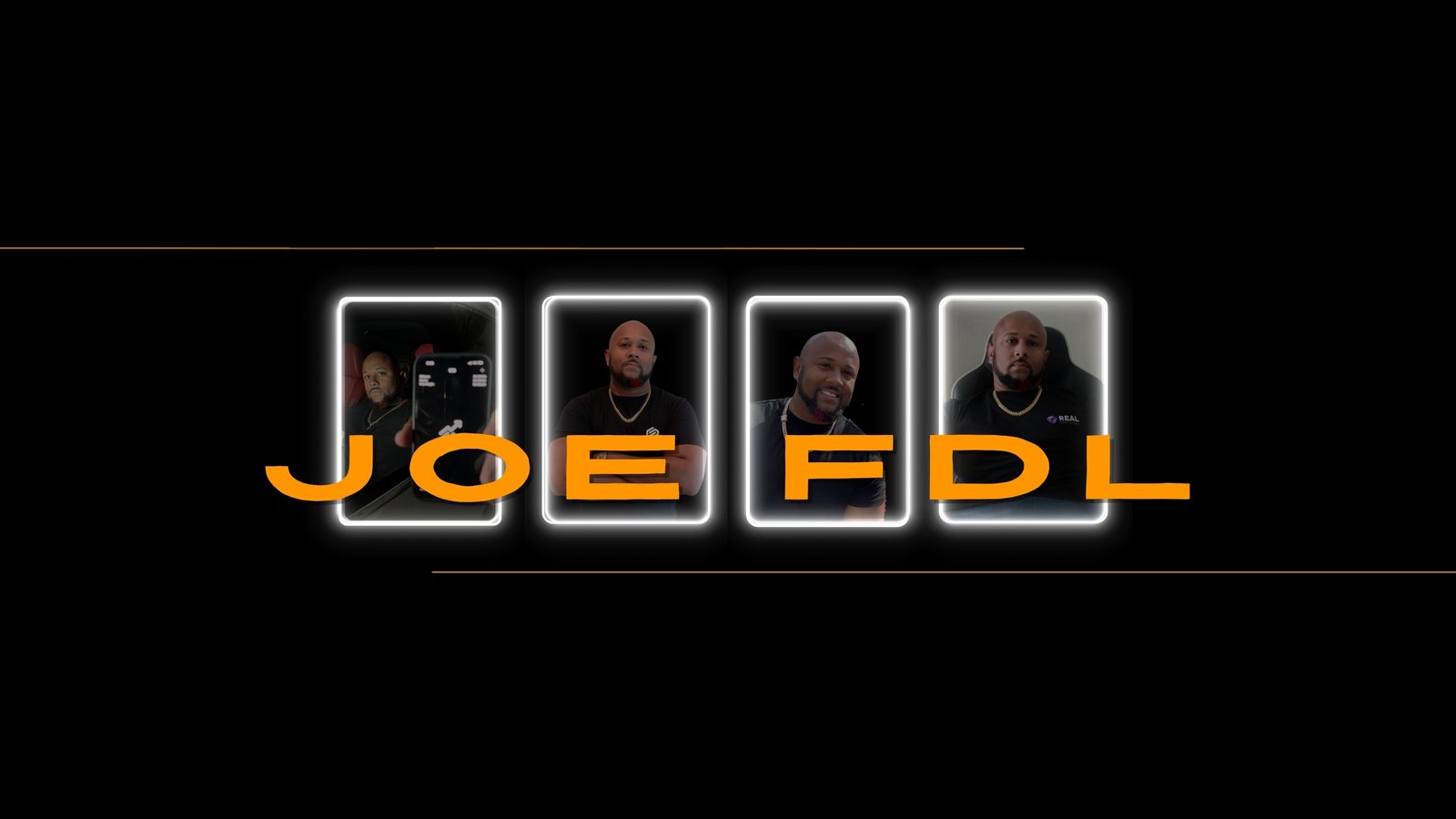
If you are comparing technical trading communities, the ProTradingInsights guide to the best trading Discord servers can help compare FDL with other education and community-style rooms. Traders focused on crypto can also review the top crypto trading Discord servers guide.
II. Fibonacci Trading, Market Structure, And Signals
A. Why Fibonacci structure matters
Fibonacci trading is not about drawing lines randomly and hoping price reacts. The value comes from using retracement and extension areas as part of a larger structure. A trader still needs trend context, risk rules, timing, and review.
FDL Master Course is appealing because it gives traders a defined way to think about those levels. Instead of chasing every move, members can learn to wait for areas that fit the framework. That can make the chart feel cleaner and the decision process more repeatable.
For beginners, this can be a major improvement. A simple framework helps them avoid cluttering the chart with too many tools. A clean chart can make it easier to see what matters and ignore what does not.
B. TradingView signal context
The FDL ecosystem also connects with TradingView signal context. TradingView is widely used because it gives traders flexible charting, indicators, watchlists, and alert workflows. When a course or system connects to that environment, members can apply lessons directly on live charts.
Signals can be useful, but they should never replace the framework. A signal is most helpful when the member understands why the setup matters, where the risk is, and what would invalidate the idea. That keeps the signal connected to education.
Intermediate traders may find this combination especially useful. They can learn the Fibonacci framework, then use TradingView-style alerts or signal context to practice timing and review.
C. Risk management and mindset
Any technical method can fail without risk management. A strong Fibonacci setup still needs position sizing, patience, stop discipline, and the willingness to skip trades that do not meet the rules.
FDL Master Course is most valuable when members treat risk and mindset as part of the system. The goal is not only to find levels. The goal is to build a repeatable process around those levels.
Mindset matters because Fibonacci trading can look precise. Lines on a chart can create false confidence. Members should remember that levels are decision areas, not guarantees. The trader still needs confirmation, risk control, and review.
III. How To Use FDL Master Course As A Trading Framework
The best way to use FDL Master Course is to treat it as a framework, not a one-time lesson. Members should study the method, practice drawing levels, compare examples, and journal how setups behave over time.
A beginner should start slowly. Learn what Fibonacci retracement means, how swing highs and swing lows are selected, why levels matter, and how risk is defined. It is better to understand a small part of the method deeply than to rush through everything.
An intermediate trader can use the course to clean up decision-making. If they already know technical analysis but still chase moves, the framework can help them wait for better areas. That patience is often where the improvement happens.
An advanced trader can use FDL Master Course as a rules audit. They can compare the method to their existing system and decide whether the Fibonacci structure adds clarity. The best advanced traders are not looking for novelty; they are looking for repeatability.
A practical routine is to study one lesson, mark several charts, write the planned level, note invalidation, and then review the outcome after price moves. This turns the course into practice instead of passive watching.
Members should also separate learning from live trading. Practice first. Back-test or replay examples. Use smaller risk when transitioning from study to execution. A course is more useful when members give themselves room to learn without pressure.
The course can also help traders develop cleaner language. Instead of saying a chart “looks good,” the member can define the swing, the retracement area, the confirmation, and the invalidation. That makes the plan easier to review.
Over time, the biggest benefit may be discipline. A trader who follows a defined framework is less likely to chase random candles, overreact to social media, or keep changing systems every week.
Another practical use is to create a screenshot journal. Members can save the chart before the trade idea, mark the Fibonacci structure, note the planned reaction area, and then save the chart again after the move plays out. This makes progress easier to see because the trader is reviewing real examples instead of relying on memory.
The framework can also help members avoid tool overload. Many traders keep adding indicators when the real problem is unclear decision-making. A Fibonacci-based approach can force the trader to define structure first, then decide whether any extra tool is actually needed.
That simplicity is useful for all skill levels. A beginner gets a clearer path, an intermediate trader gets cleaner rules, and an advanced trader gets another way to audit whether their chart is too cluttered or their decision process is drifting.
IV. What Public Reviews Highlight
Public review themes around FDL Master Course and the Fibs Don’t Lie ecosystem highlight simplicity, clear teaching, Fibonacci retracement examples, risk management, mindset, and the feeling that the framework helps traders reduce chart noise.
Several members describe the course as easy to follow, useful for learning, and helpful for seeing markets through a simpler technical lens. That is important because many trading courses try to sound complex. A clearer framework can be more useful if it helps members actually apply the method.
The strongest positive theme is that members connect the course with practical chart understanding. That is what matters for a technical trading course. The content should help a trader look at a chart, define the structure, and explain the plan in plain language.
Another positive theme is confidence through rules. When a trader has a clearer way to draw levels and wait for confirmation, they are less likely to jump from one method to another. That stability can be valuable even before a trader becomes consistently profitable.
| Public review theme | What it suggests for traders |
|---|---|
| Simple chart framework | Members value a method that can reduce clutter and make technical decisions easier to understand. |
| Fibonacci retracement examples | The course appears strongest for traders who want repeated examples around Fibonacci-based structure. |
| Risk and mindset | Members respond well when technical education is paired with discipline and business-like trade review. |
| Beginner clarity | The framework can help newer traders understand technical structure without needing too many indicators. |
Reviews should not be treated as proof of future results. The better takeaway is that FDL Master Course appears to resonate with traders who want a clear technical framework and a more disciplined way to study chart structure.
V. Who FDL Master Course Fits Best
FDL Master Course fits traders who want to learn or refine a Fibonacci-based trading framework. It is especially relevant for people who feel overwhelmed by chart clutter and want a cleaner way to define levels, timing, and risk.
Beginners can benefit if they want a technical foundation that feels more structured than random indicator stacking. They should study slowly, practice examples, and avoid rushing into live risk before the framework makes sense.
Intermediate traders can benefit if they already understand basic charting but want a more consistent method. The course can help them refine level selection, confirmation, and trade review.
Advanced traders may find value if they want to compare the FDL method with their current system. They may not need basic instruction, but they can still use the framework to improve discipline and reduce chart noise.
FDL Master Course is less ideal for someone who wants guaranteed trades or a passive solution. It is better for someone who wants to study, practice, and apply a defined technical method.
The strongest fit is a trader who wants rules. If a member uses FDL Master Course to build a cleaner process around Fibonacci levels, risk, and review, the course can become a practical part of their trading development.
It also fits traders who prefer technical simplicity. Instead of layering several indicators onto every chart, a member can focus on structure first and then decide whether any other tool improves the plan. That makes the learning process easier to audit.
Final Take
FDL Master Course is a strong option for traders who want Fibonacci-based education, clearer market structure, TradingView signal context, and a more disciplined technical framework. The main reason to consider it is the combination of simplicity, rules, and practical chart focus.
If you are researching FDL Master Course reviews or Fibs Don’t Lie reviews because you want a cleaner way to read charts, it is worth considering. Use it as a study and practice framework, keep risk management central, and measure progress by how consistently you follow your own rules.
Frequently Asked Questions
What is FDL Master Course?
FDL Master Course is a Fibs Don’t Lie trading education product connected to Joseph Pena, focused on Fibonacci-based market structure, technical rules, and disciplined chart reading.
Who is FDL Master Course best for?
It is best for traders who want a structured Fibonacci trading framework, cleaner chart rules, risk awareness, and a more repeatable way to study setups.
Is FDL Master Course beginner-friendly?
It can be useful for beginners who want a clearer technical framework, as long as they study slowly, practice examples, and keep risk small while learning.
Does FDL Master Course guarantee trading results?
No. The course can teach a framework and support better discipline, but trading involves risk and no course can guarantee results.
How should members use FDL Master Course?
Members should study the lessons, practice drawing levels, define invalidation, review examples, journal outcomes, and apply the framework with strict risk management.
